
Stay Well
Food And Drink On Koh Samet
Samet is not a destination for food pilgrims, but it is perfectly capable of feeding a short beach trip well if you stop chasing miracle recommendations.
Koh Samet food advice tends to split into two bad extremes. One says the island is full of unforgettable seafood feasts. The other says the food is mediocre and overpriced everywhere. Neither is especially useful. Samet is a beach island with a village and a tourism-driven dining economy. It can feed you well, particularly on a short stay, but the trick is to understand what the island actually does best rather than expecting Bangkok-level range or southern-island romance by default.

What the island does well
Samet is strongest when the meal fits the place: grilled seafood by the water, straightforward Thai dishes after a swim, a sunset drink that does not need to be profound, and a few solid resort or beach-bistro kitchens that understand their job. The best meals on the island are usually not revelations. They are simply the right meal in the right setting at the right hour, which is enough for a short island break.
You will often eat better if you split your expectations by time of day. Lunch is easier when it is simple. Dinner can justify a better setting or a bit more spending. The village and less polished strips can be good for more grounded, less beach-priced meals, while the prime waterfront zones are where you pay more for location and atmosphere.
What to ignore
Ignore any guide that suggests Samet is secretly one of Thailand’s great food islands. It is not. Also ignore the opposite claim that everything is a rip-off. Like most tourism-heavy islands, it has a mixed market. Some beachfront tables are worth paying for because the whole evening works. Some are pure location tax. The difference is easier to see once you stop expecting a mystical “best restaurant” answer.
The other thing to ignore is the temptation to eat every meal on the beach just because you can. Variety of setting matters more here than people expect. Moving off the most obvious strip for one meal can reset the whole trip and keep the island from feeling like a continuous resort frontage.
How I would eat on a short stay
On a two- or three-night trip, I would keep lunch loose and practical, spend for one genuinely nice beach dinner, take one village-style or less scenic meal on purpose, and judge drinks mostly by mood rather than by cocktail ambition. That rhythm fits the island. It gives you the atmospheric meals you came for without pretending Samet needs to become a culinary research trip.
If food is one of the main reasons for your Thailand travels, build Samet as a beach chapter inside a larger itinerary anchored by Bangkok or another city with stronger eating depth. Samet is better when it is allowed to be good at what it is already good at.
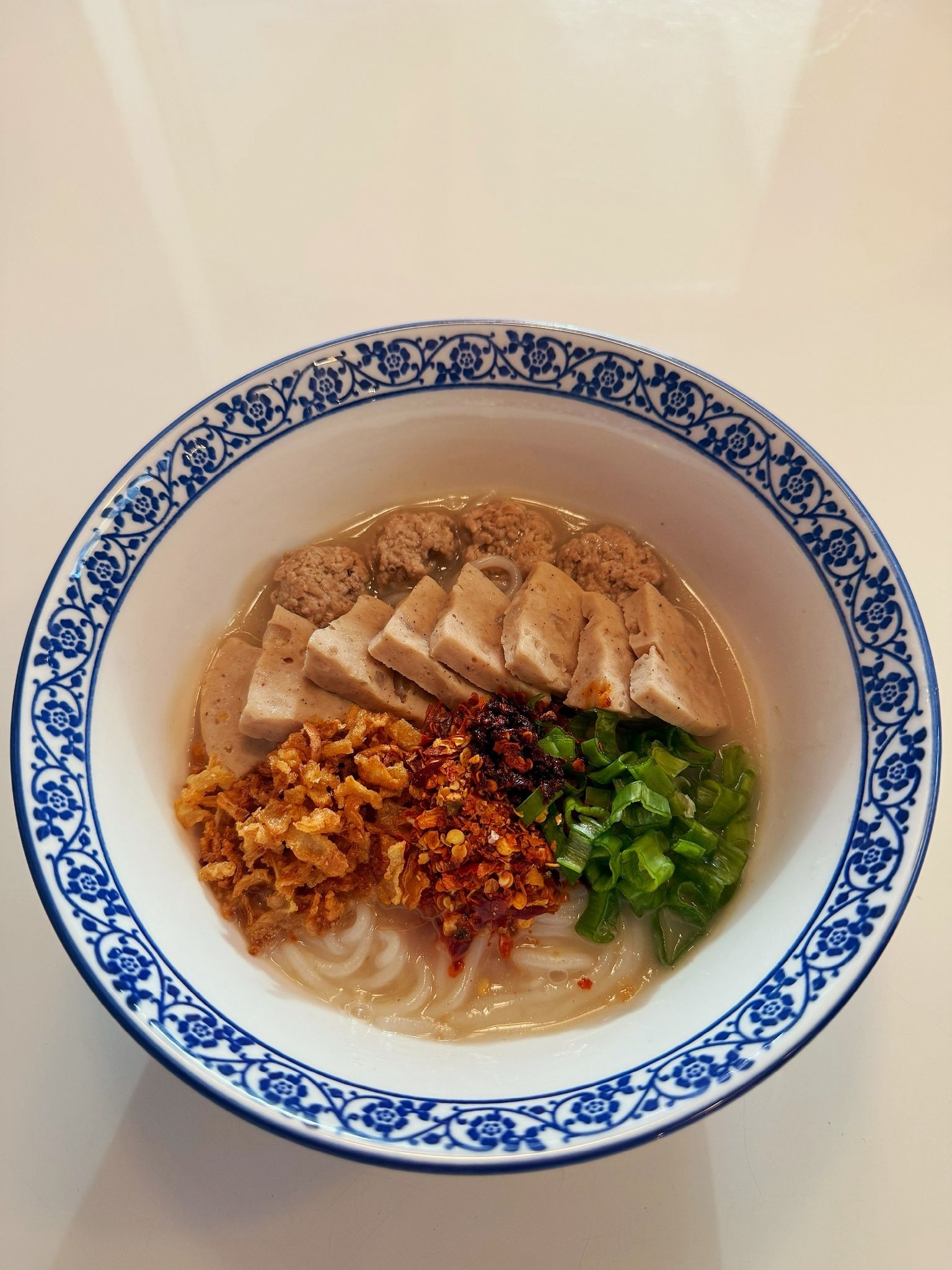
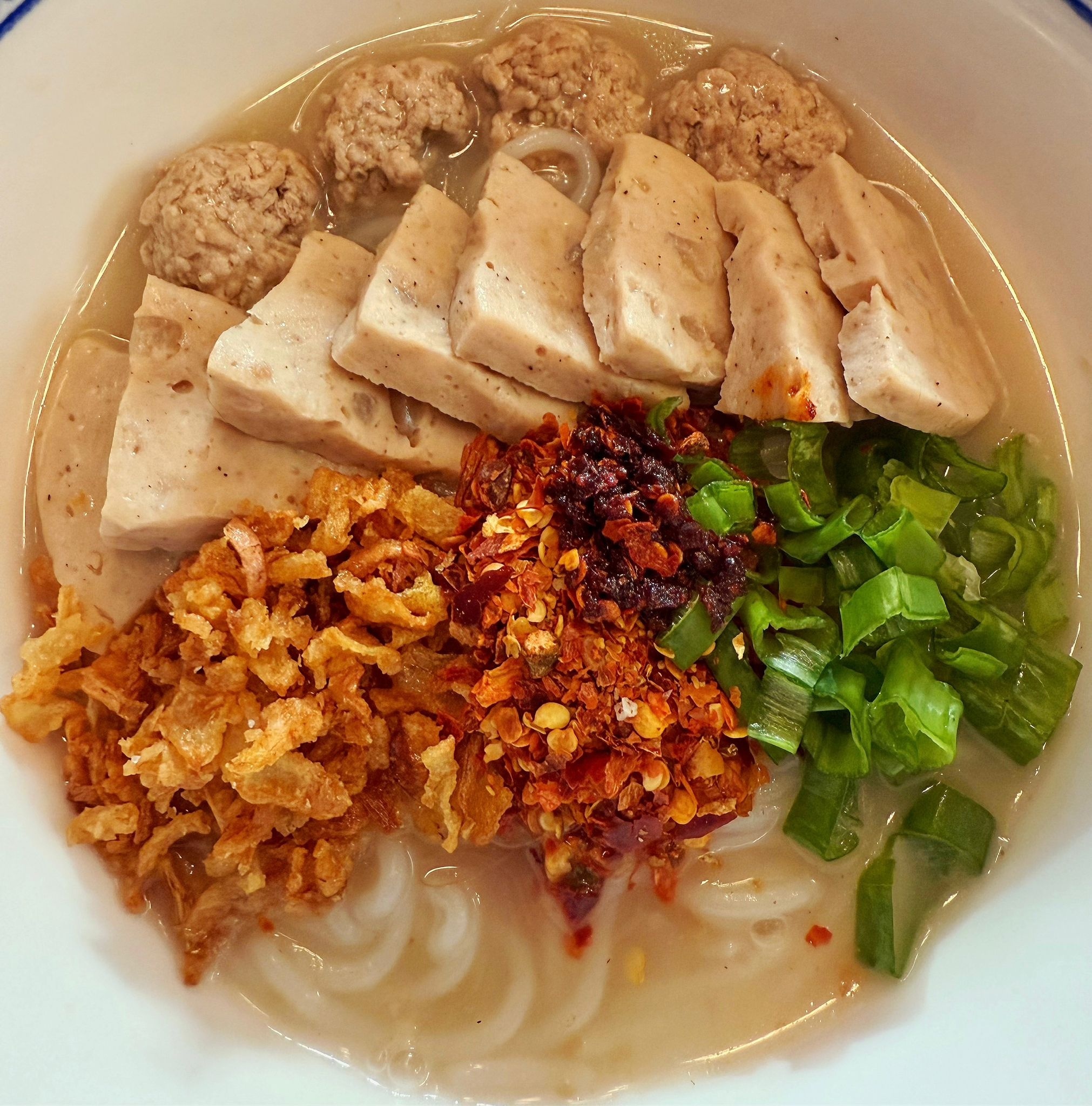
The bowl in the photos here is a good example of how I think about island food. I cannot name it with complete confidence from memory alone, and that is fine. What I remember is the useful part: hot broth, citrusy lift, enough herb bite to wake everything back up, and the feeling that it hit the table at exactly the right moment in the day. Samet food is often best judged that way. Not by whether it turns into a trophy recommendation, but by whether it fits the weather, the appetite, and the hour better than whatever more photogenic meal you thought you were supposed to want.
What you should actually look for in restaurants
On Samet, I care less about chasing one definitive best restaurant than about matching meals to time, weather, and location. A seafood dinner works best when the setting earns it and you are not forcing greatness onto a place that is mainly designed to provide a decent island evening. A simpler lunch works best when it is quick, shaded, and close to the next swim. The island rewards this kind of practical appetite. Travelers who expect every meal to stand alone as an event tend to feel underfed even when they eat perfectly well.
This is also why the village and less front-and-center strips matter. They break the rhythm of nonstop beachfront pricing and remind you that Samet is not only a stage set for sunset dinners. One grounded meal in a plainer setting often improves your sense of the island more than a second expensive dinner in a prettier chair.
The food trap most short stays fall into
The most common food mistake is exhausting the budget and the palate on views alone. People arrive, eat every meal where the beach is most obvious, and then conclude that the island is overpriced and repetitive. Both impressions become truer the more you organize the trip that way. The better approach is to treat scenic meals as something to spend on selectively rather than continuously.
Breakfast is where this matters too. A solid, unglamorous breakfast close to your room can do more for the day than searching for a perfect island brunch that Samet was never especially designed to provide. If you want culinary depth, let Bangkok or another stop in the itinerary carry that ambition. Let Samet handle the beach chapter well.
Where the island is genuinely stronger and weaker
Samet is strongest at straightforward seafood meals, beach-adjacent Thai comfort food, grilled items, cold drinks at the right hour, and dinners where the setting is doing part of the work. It is weaker when you demand culinary range, obsessive ingredient-level distinction, or a city-style restaurant scene that can carry a whole trip. Many islands make this trade. Samet simply does it more plainly because it is so compact and so shaped by short-stay demand.
That is why I think the right food attitude here is selective rather than ambitious. Choose one or two atmospheric dinners. Use village or back-from-the-beach meals to reset the budget and palate. Let breakfast be functional. If you do that, the food picture feels honest and pleasant. If you keep asking the island to deliver a metropolitan dining arc, it starts to feel thinner than it really is.
Read next